The draw, the punch,
the number.
Pan Line Notes reads kitchenware from the factory floor: the draw, the punch, the polish, the weld and the resin. Each note takes one article and follows it to the number that decides whether it survives a kitchen.
Contents
No. 01 – 08- 01
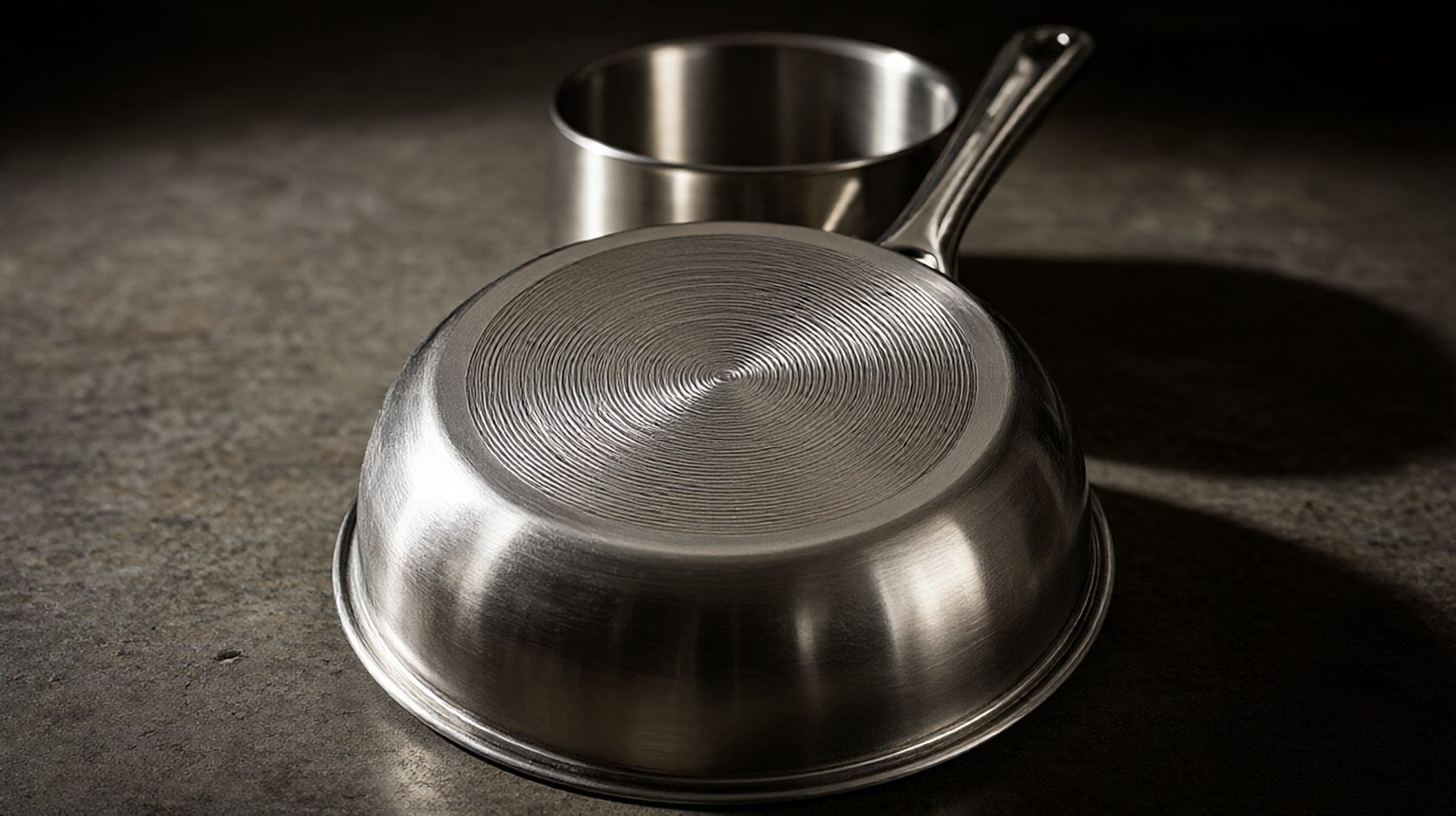 Base
Thick bottom, spiral base: what the two words in a pot's name actually promise
A three-layer base, a pressed spiral and a flatness figure are three different claims. Most purchase orders merge them into one, and the pot that arrives satisfies none of them.
- 02
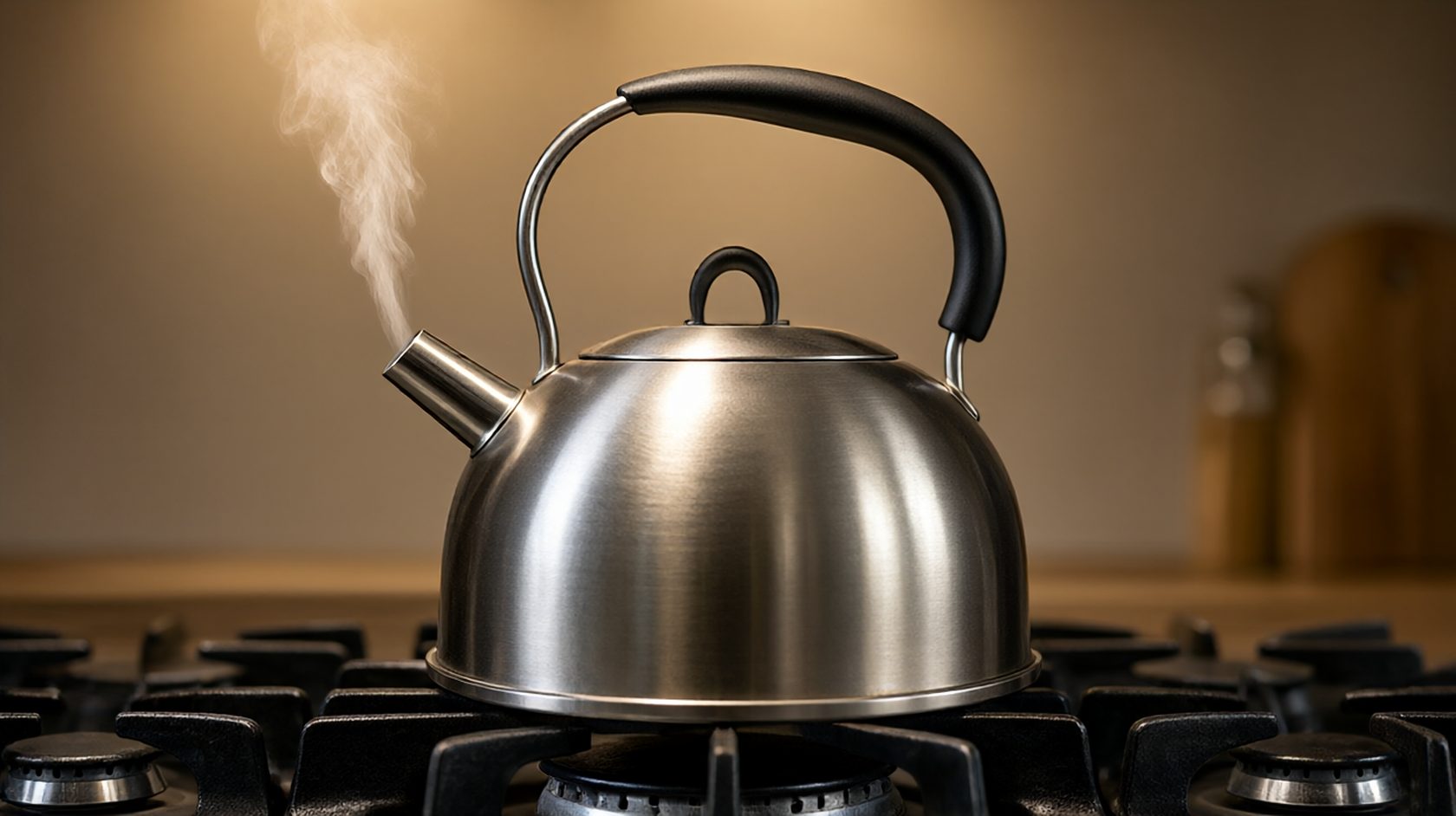 Spout
Kettle spout, handle weld and the pour that decides the return rate
A kettle is judged at the spout and at the handle root. Both are welded joints, and both are specified badly in most orders.
- 03
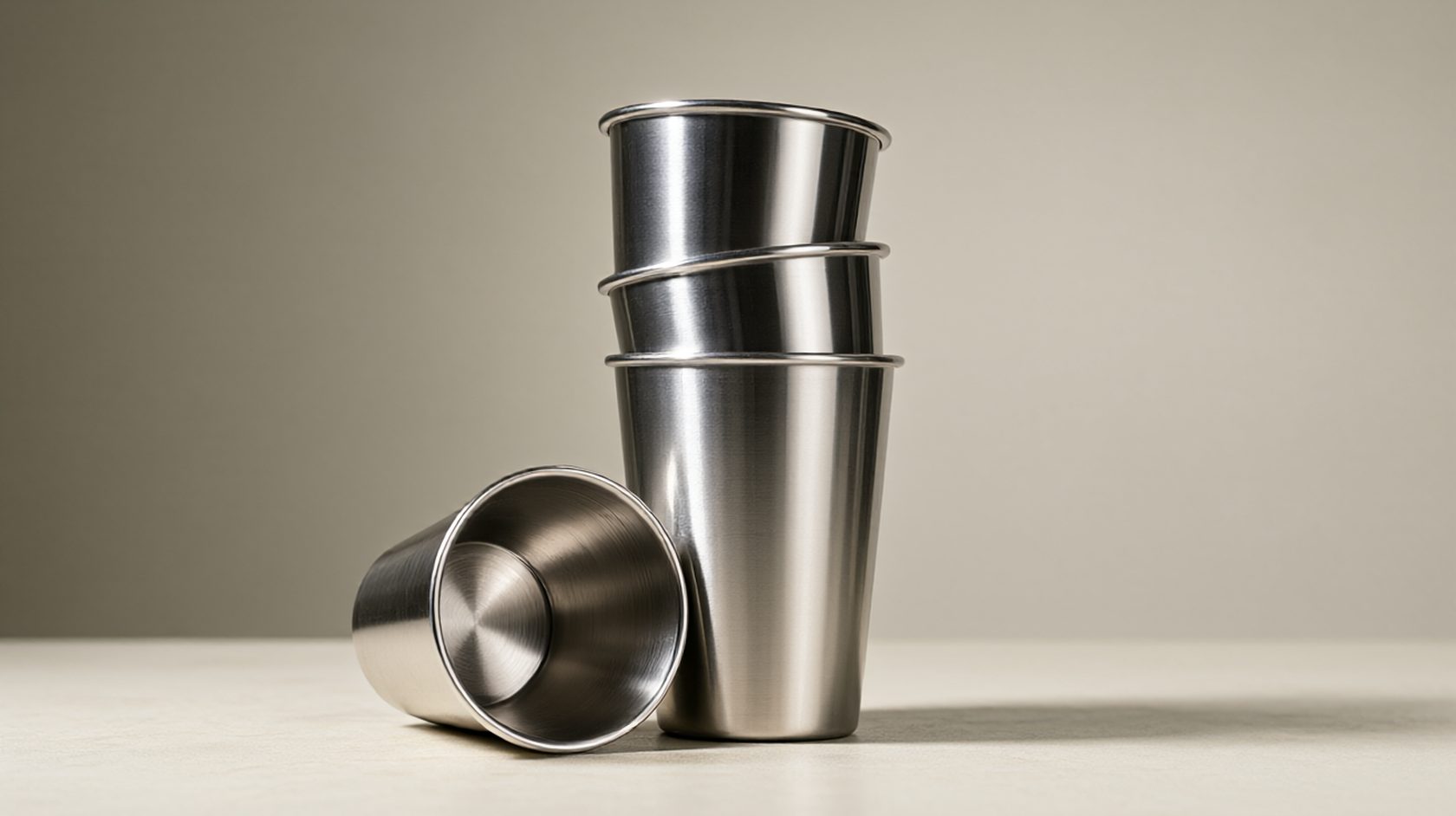 Draw
Tall cups: the wall gets thin where the draw ends, and that is where the rim fails
A tall cup is one deep draw away from a wall that is uneven by half. The rim, the base and the capacity all report the same process.
- 04
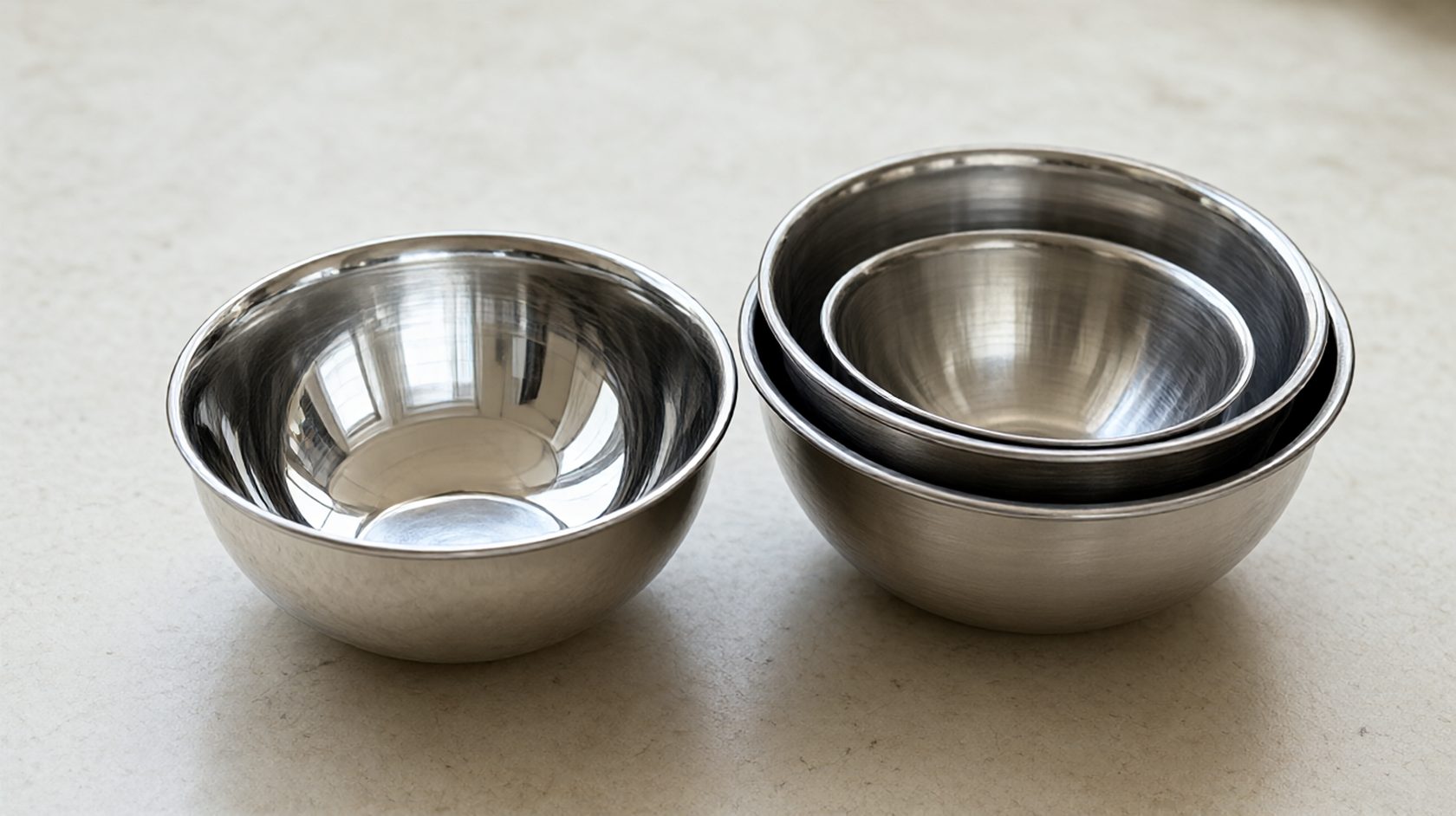 Finish
Small bowls: stack taper, mirror polish and the dishwasher that dulls both
A bowl is a shallow draw and a large polished area, and those two facts set its failure modes: the stack that jams and the surface that goes dull.
- 05
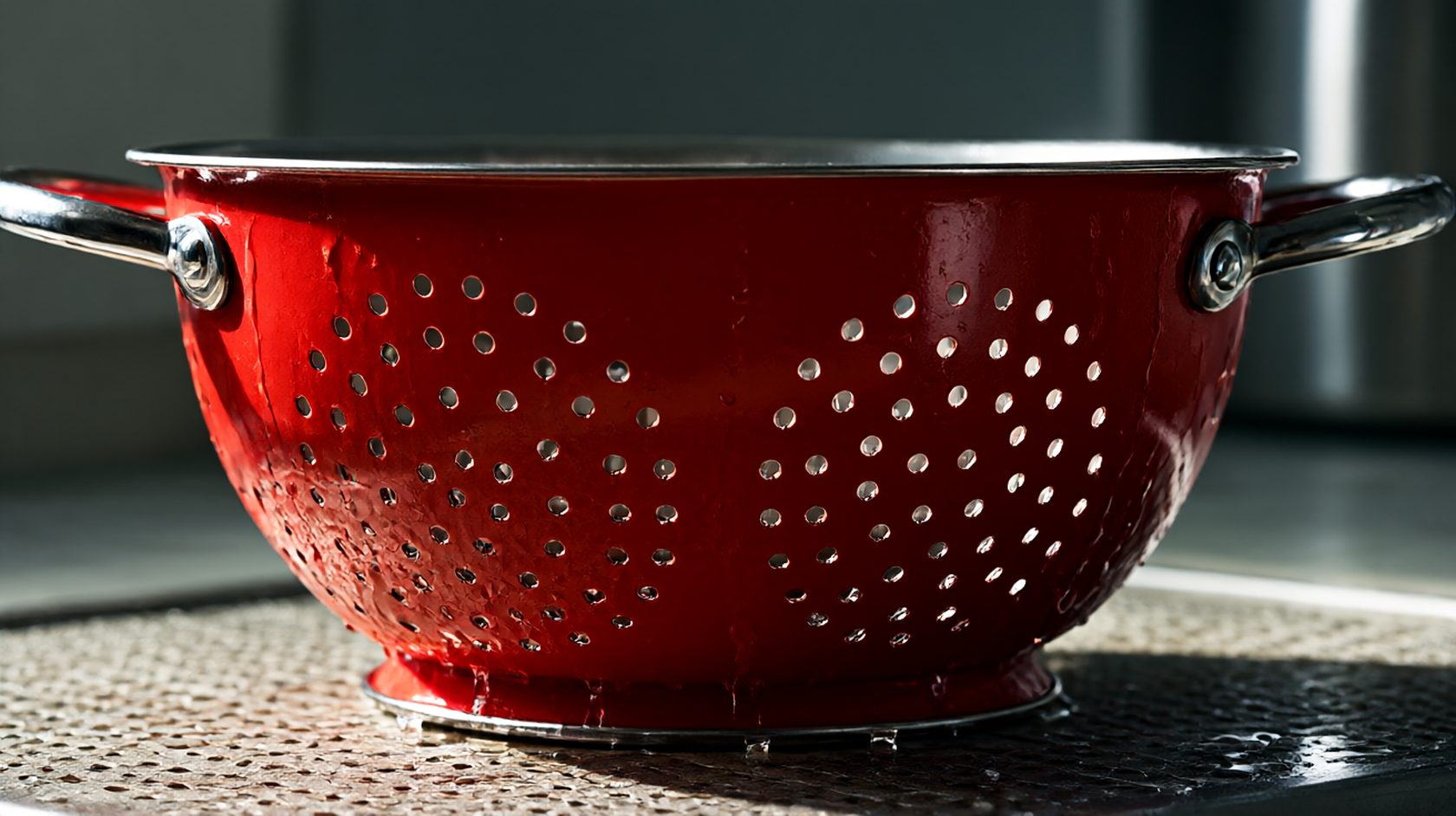 Punch
Colanders: hole pattern, burr side and the coating that peels from the inside
A colander is a bowl with several hundred holes punched through a curved wall. The holes decide the drain time, the burr decides the cleaning, and the coating decides the first complaint.
- 06
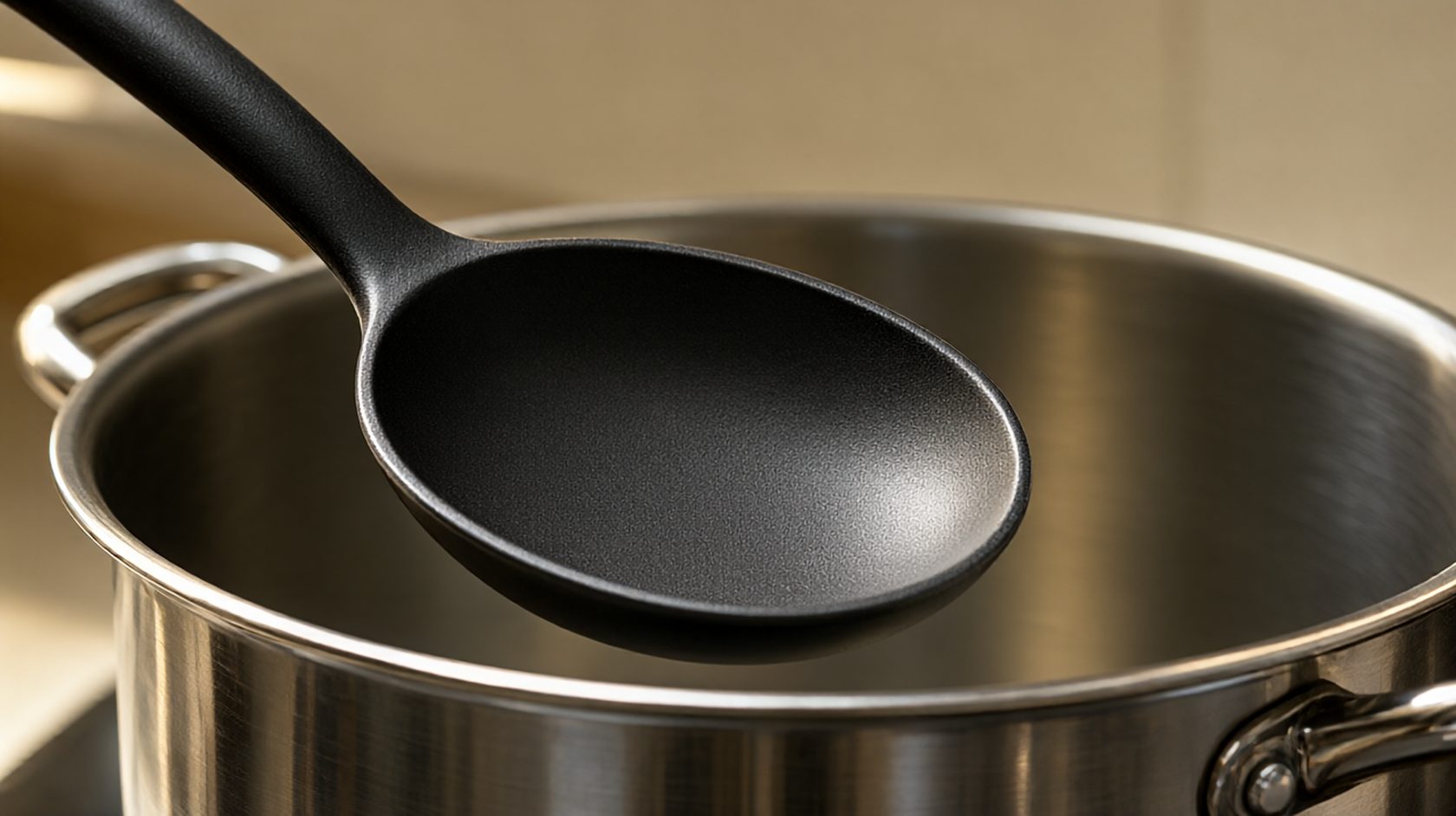 Resin
Nylon spoons: the glass fill that makes them stiff and the heat that makes them fail
Two nylon spoons that look identical can differ by forty degrees in service temperature. The difference is in the resin, not in the shape.
- 07
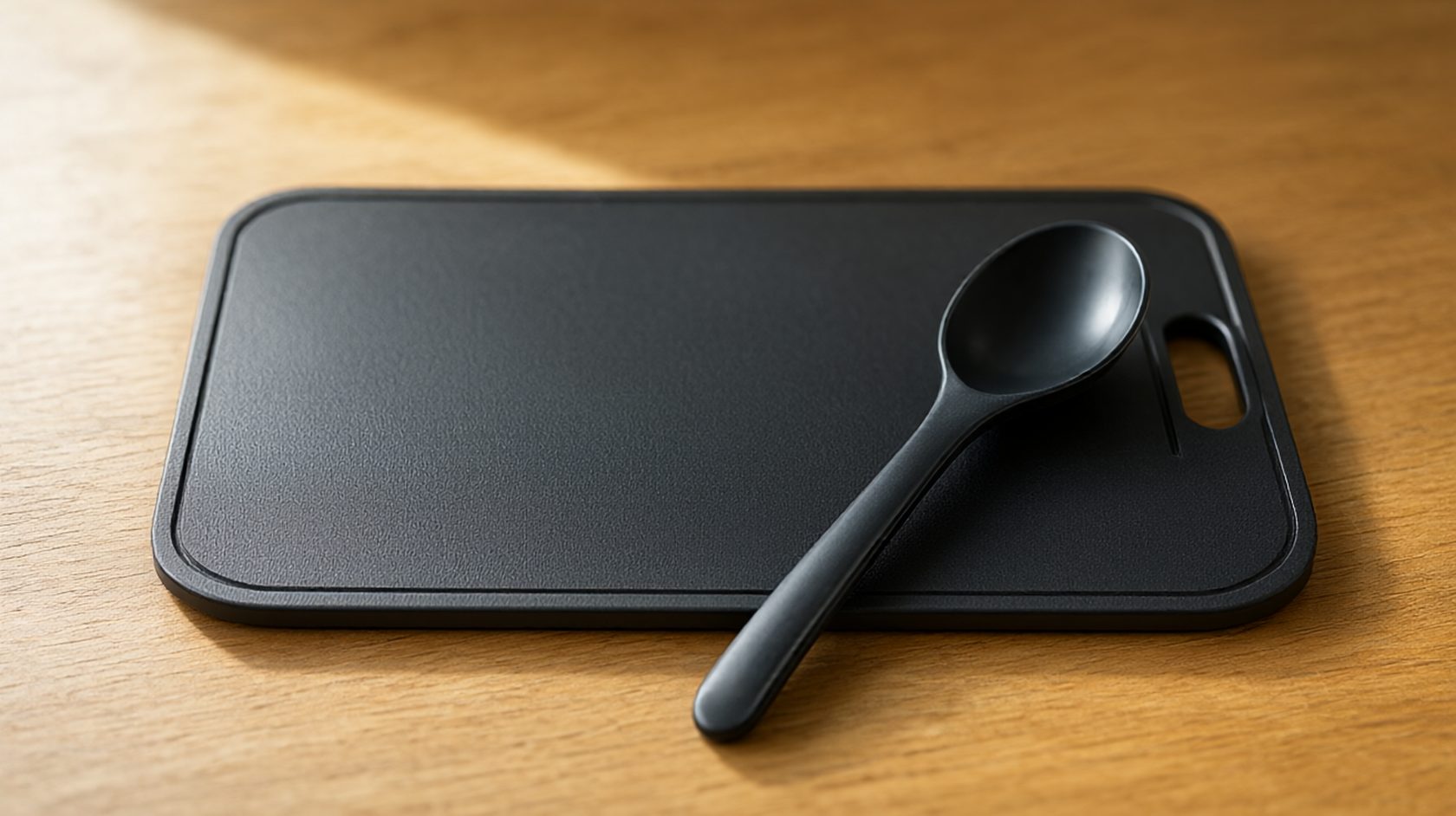 File
Board and spoon sets: the weakest item in the pack sets the compliance file
A two-piece kitchen set is sold as one SKU and tested as two articles. The declaration has to cover both, and it usually covers only the one with the logo.
- 08
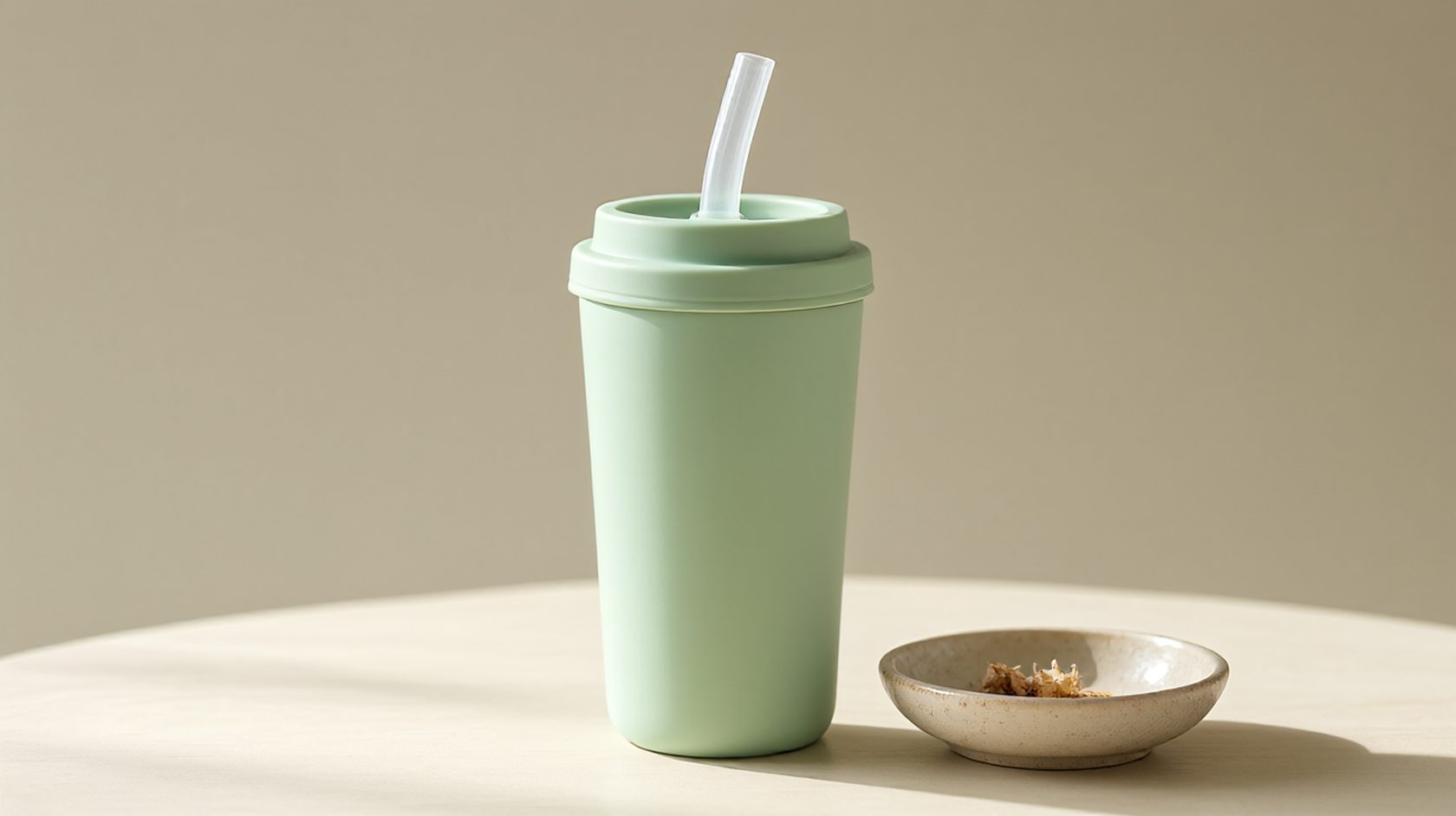 Seal
Straw cups: the seal, the negative pressure and the valve that leaks at the third wash
A child's straw cup is a pressure vessel with a soft lid. The failures are all at the interfaces, and all of them are invisible on a new unit.